

Why Free Returns Are Quietly Disappearing
The order-three-keep-one era is ending. About 72% of retailers now charge for returns, averaging $9 a pop. What changed, why it won't reverse, and how to shop so returns stop costing you.

Only 10% of HSAs hold invested dollars. Here is the $86,800 math on investing your HSA, the provider threshold blocking you, and what changed in 2026.
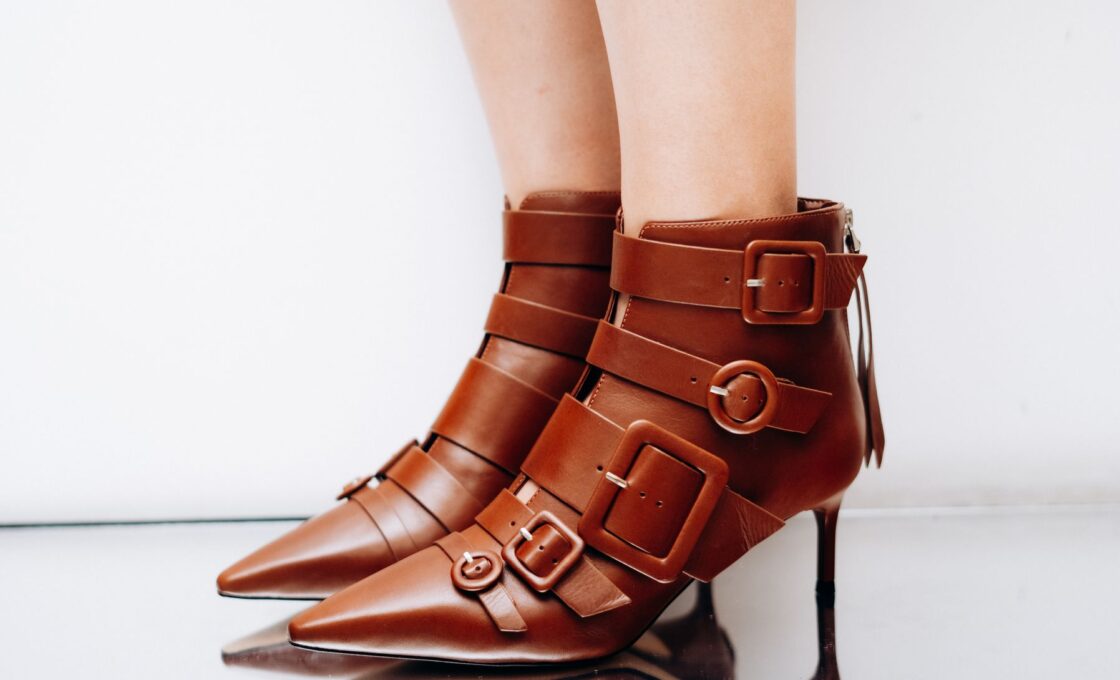
The $80 boot feels responsible and the $200 one feels indulgent, but the cheap pair is the one you buy four times. Why construction (not price) decides if a boot is an asset, with the 15-year math.
Match Group's Q2 2026 filing: payers down 6%, revenue per payer up 6%. Here is what dating app algorithms really optimize for, plus the subscription math.
Adult friendships didn't get harder because you got worse at them. The country did, and there's a decade of data. Why the friendship recession is an infrastructure problem, and the five-person fix.
Cost per wear is usually used backwards, to justify splurges. Point it at the cheap impulse buys instead and the $25 top becomes the most expensive thing in your closet. The math that kills impulse buys.
Return fees and shorter windows are just the surface. Here's the credit-score-style system behind 2026's return policy changes, and what it costs you.
A sinking fund isn't a budget, it's a labeled bucket you drip money into so December stops feeling like an ambush. The Fed's emergency-savings data, the interest math, and why this works for people who hate budgeting.
The cost per wear formula ignores resale value, and in 2026 that is a costly mistake. Real math on a $228 blazer vs a $60 one, plus how to spot liquidity.
Meal prep tastes grim by Wednesday because of how it's built, not how it's cooked. Prep components, not meals, keep them cold, and save $50 a week. The summer no-reheat system.