

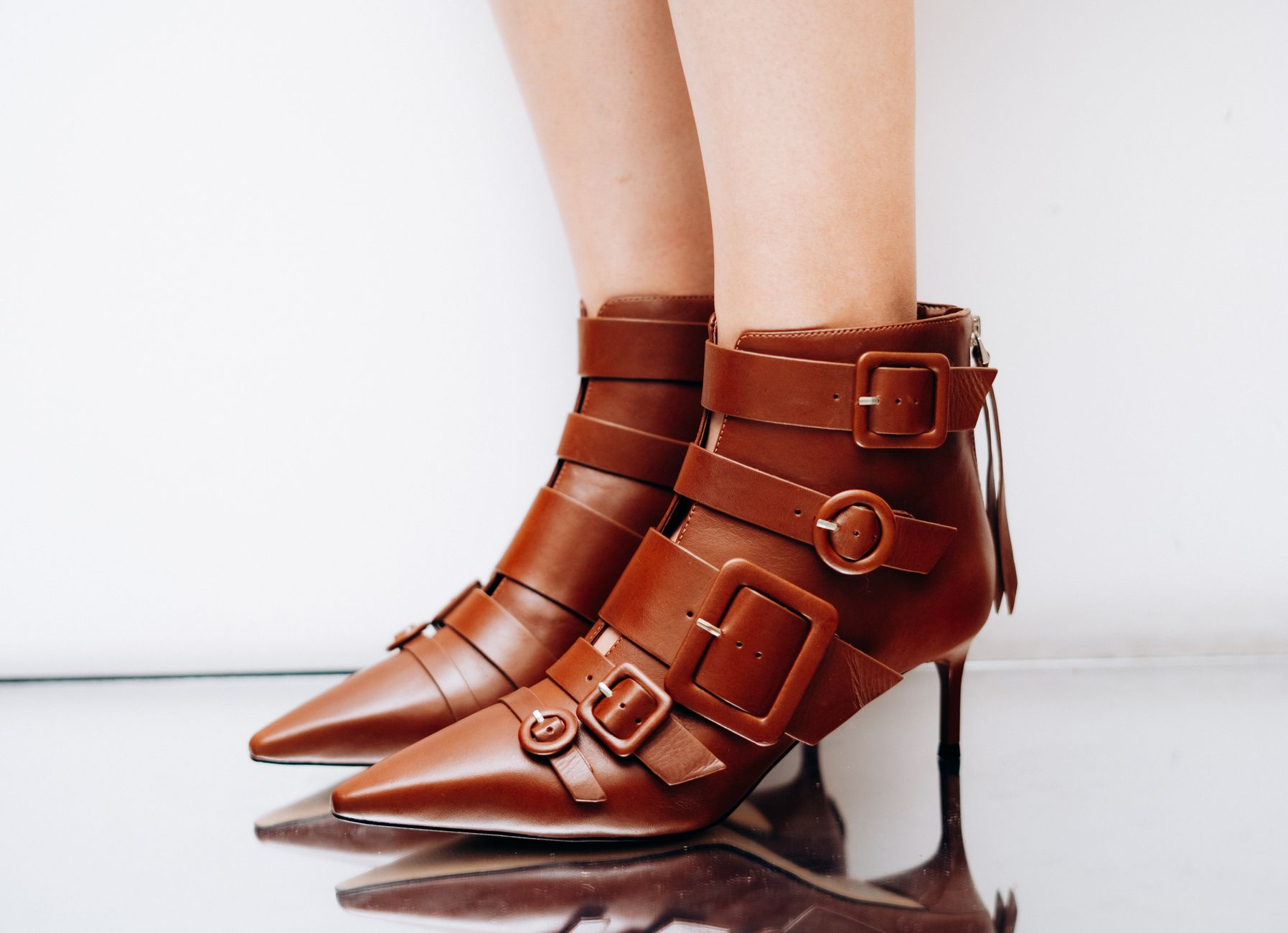
Every fall, the same reasonable-sounding decision costs people money. The $200 boots feel like an indulgence, the $80 pair feels responsible, and so the $80 pair goes in the cart. But that math only works if you never zoom out, because the responsible-looking cheap boot is very often the one you buy four times. Investment boots aren’t expensive because of a logo or a markup; the good ones are expensive because of how they’re built, and construction is the hidden variable that quietly decides whether a boot is an asset you keep for fifteen years or a disposable you replace every other winter.
The word doing all the work is resole. A boot you can resole is a boot that outlives its first sole; a boot you can’t is one you throw away the moment the bottom wears through. This comes down to construction, and it’s the single most important thing to understand before you spend. Goodyear-welted boots, along with Blake-stitch and stitchdown construction, are sewn in a way that lets a cobbler replace the sole, sometimes many times over. Cemented boots, the glued construction found on most pairs under about $100, cannot be properly resoled; the adhesive weakens, the sole eventually separates, and the boot is done. Two boots can look nearly identical on the shelf and have completely opposite lifespans hiding in the seam.
The worked math on buying once versus four times
Let me run the actual numbers, because this is where the “responsible” cheap choice falls apart. Take a Goodyear-welted boot at $169. Quality welted footwear routinely lasts 15 to 20 years with occasional resoling, and a resole runs somewhere between $75 and $200 depending on your city and the sole. Say you resole it three times over fifteen years at an average of $120 each, that’s $360 in repairs on top of the $169 purchase, for a total of $529 to own a good boot for a decade and a half. That works out to roughly $35 a year.
Now the $80 cemented boot. Because it can’t be resoled, it lasts maybe two to three years before the sole separates or wears through, and then you buy another. Over that same fifteen years you’ll go through five or six pairs, call it five and a half at $80, which is $440. That’s less total than the welted boot, technically, but you spent fifteen years in boots that were always somewhere in their decline, never resoled, never truly comfortable once broken down, and you generated five landfill-bound pairs to do it. Nudge the cheap boot up to $100 or replace it every two years instead of three, which is realistic, and the cemented route quietly passes the welted one in total cost while delivering a worse product the entire time. The expensive boot was the economical boot. It just asked for the money up front instead of in installments you didn’t notice.
Why construction beats the price tag as a signal
The useful shift is to stop shopping by price and start shopping by how a boot is made, because price alone is a terrible proxy for value here. A $150 boot with cemented construction is a worse long-term buy than a $180 welted one, even though it’s cheaper, and there are overpriced designer boots with glued soles that are worse buys than a workwear brand’s welted pair at half the cost. The general rule cobblers and shoe people repeat is that if a boot cost more than about $150 and has genuine welted or stitched construction, resoling is worth it, and the boot is worth buying. Below that, or if it’s glued, you’re buying a disposable no matter how it looks.
You don’t need to become a footwear obsessive to use this. Learn to recognize a couple of tells: a visible line of stitching around the perimeter where the upper meets the sole often signals welted or stitched construction, while a seamless glued-on sole usually signals cemented. Ask, or read the product description for the words “Goodyear welt,” “Blake stitch,” or “resoleable.” That thirty-second check is the difference between a boot that becomes a fifteen-year staple and one that becomes next year’s problem.
Care is the other half of the math
Buying resoleable construction only pays off if you don’t destroy the uppers before the sole ever wears out, and fall is exactly when that damage starts. Winter road salt is brutal on leather, drawing out moisture and leaving white crusted stains that crack the surface over time. A little maintenance protects the investment: wipe salt off promptly, condition the leather a few times a season to keep it supple, and treat boots with a weatherproofing spray before the wet months hit. Cedar shoe trees pull moisture out between wears and help the leather hold its shape, and simply rotating between two pairs rather than wearing one every day lets each dry out fully and dramatically extends its life.
This is the piece that makes the whole cost-per-year argument real. A welted boot that can technically be resoled ten times still fails early if its leather is left to crack and dry, so the resole economics assume a basic level of care. Ten minutes of maintenance a month is what turns a good boot’s theoretical fifteen-year lifespan into an actual one, and it’s a trivial price for the returns.
The pieces worth this logic, and the ones that aren’t
This isn’t a case for spending big on every shoe you own. Trend-driven styles you’ll wear for a season or two, or delicate heels you’ll wear a handful of times a year, don’t earn the investment logic, because you won’t wear them enough to reach the point where resoling matters. Cost per wear only rewards durability when the wear is actually high. The boots that deserve the welted-construction premium are the workhorses: the everyday leather boot you’ll wear three or four times a week all fall and winter, the pair that has to survive rain, salt, and miles of sidewalk. Those are the ones where buying once and resoling for years genuinely beats the cheaper pair you’d replace on repeat.
So the reckoning between the $200 boot and the $80 one isn’t really about which is more expensive. It’s about which one you’ll have in ten years. The $80 cemented boot is priced to be replaced, and it will be, again and again, each time feeling like a small responsible purchase while quietly adding up to more than the good pair would have cost. The investment boots, welted and resoleable, ask for the money once and then keep your feet dry and your closet stable for a decade or more. Buy the construction, not the price tag, and the boot you agonized over paying for becomes the cheapest one you own.
Sources: Qlty Objective (2025 resole cost guide); Stridewise (which boots can be resoled); Milwaukee Boot Company (Goodyear welt vs. Blake stitch vs. cemented construction)