

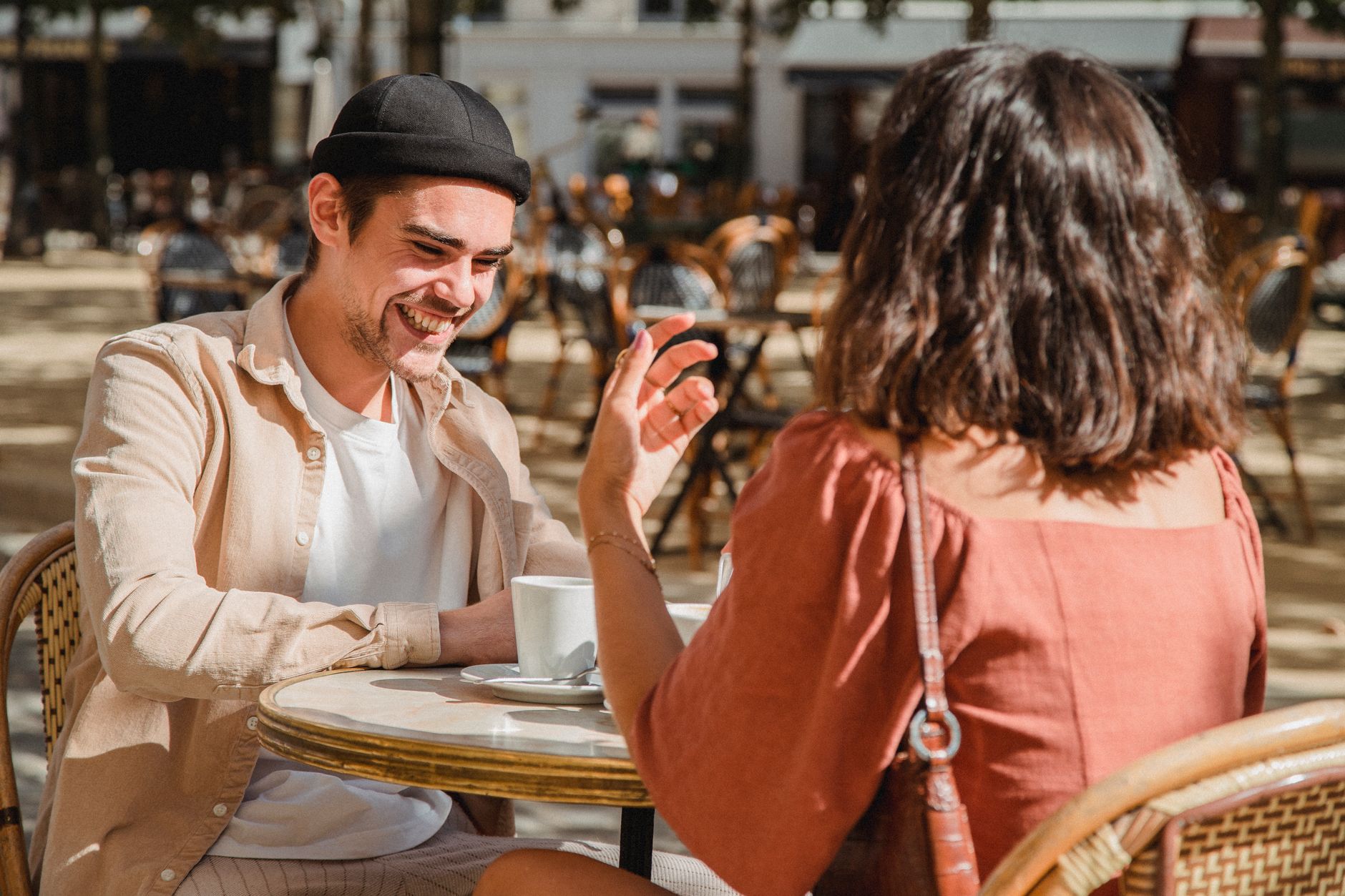
If dating has started to feel like a second job you’re bad at and can’t quit, the exhaustion isn’t a personal failing. It’s the predictable result of dating the way the apps taught everyone to date, as a high-volume numbers game, and a large and growing share of people are burning out on exactly that. The good news is that the antidote already has a name and a body of data behind it. Intentional dating, the deliberate shift toward fewer connections pursued more thoughtfully, is winning precisely because the fast version broke, and understanding why explains how to stop dreading your own love life.
Start with how widespread the fatigue really is, because it reframes the shame a lot of people carry. A Forbes Health survey found that about 78 percent of dating app users report burnout, rising to roughly 79 percent among Gen Z, and women are hit hardest, with around 80 percent citing fatigue compared with 74 percent of men. When people were asked why, the answers weren’t about being too picky or not trying hard enough. The top drivers were a lack of meaningful connections (40 percent), disappointment (35 percent), rejection (27 percent), and the sheer grind of repetitive conversations (24 percent). Read that list and the problem comes into focus: people aren’t tired of dating. They’re tired of a specific format that manufactures a lot of contact and very little connection.
The numbers game was the disease, not the cure
The core mistake baked into swipe culture is treating dating like a funnel: more matches, more first dates, more shots on goal, as though volume alone will eventually produce love. But the burnout data suggests the opposite. The endless-options model doesn’t increase your odds so much as it increases your exhaustion, spreading your attention so thin that no single connection gets the depth it needs to become something. Juggling multiple apps and maintaining profiles is itself a cited source of fatigue, which means the “just cast a wider net” advice is actively making people more miserable and no more partnered. The funnel promised efficiency and delivered a treadmill.
Intentional, or slow, dating inverts the whole premise. Instead of maximizing matches, you deliberately reduce them and invest more in each. Instead of parallel-processing five lukewarm conversations, you have one real one. Instead of swiping to pass the time, you date on purpose, with a sense of what you’re actually looking for. This isn’t a nostalgic rejection of technology; it’s a correction to a format that optimized for engagement over outcomes, and the culture is visibly turning toward it. Search interest in “slow dating,” “Tinder alternatives,” and “how to meet people in real life” has been climbing, a real-time signal of people looking for the exit from the treadmill.
Why knowing what you want actually works
The most actionable finding here is almost boringly simple: clarity helps. Hinge’s own data shows that 68 percent of daters believe setting specific goals for their dating experience would make it more positive, and that intuition is well founded. Vague dating, swiping with no clear sense of what you want, is how you end up in a dozen going-nowhere chats, because with no target you can’t recognize a good fit or comfortably rule out a bad one. Naming what you’re looking for, whether that’s a long-term partnership or something more casual, does two things at once: it filters out the mismatches faster, sparing everyone’s time, and it makes the connections that remain more likely to actually go somewhere.
This lines up with what the broader data shows most people are after. Bumble’s 2025 trends report found that nearly three in four people, 72 percent, are actively seeking long-term partnerships, not endless casual rotation. So the mismatch for many daters isn’t between what they want and what’s available; it’s between what they want and how they’re going about getting it. Swiping fast and staying vague is a strategy optimized for casual volume, being used by a majority of people who actually want something serious. Intentional dating simply aligns the method with the goal.
What slow dating looks like in practice
Concretely, the shift comes down to a handful of moves that all point the same direction. Cut down the apps, ideally to one, so you’re not maintaining a profile as a part-time job across three platforms. Slow the pace deliberately: fewer matches, more thoughtful conversations, and a faster move from the app to a real, in-person meeting where you can actually tell if there’s something there. Be honest and specific in your profile and your messages about what you’re looking for, which feels vulnerable but functions as a filter that saves you months. And build in recovery, taking breaks when you feel the burnout creeping in rather than grinding through it, because dating from a place of depletion is how the whole thing curdles into resentment.
There’s a worked reality behind why less can be more here. If your burnout is driven by repetitive conversations and a lack of meaningful connection, as the survey found for a quarter to nearly half of people, then having ten shallow chats going at once is mathematically the worst possible setup, ten sources of the exact fatigue you’re trying to escape. Trade those ten for one or two conversations you’re genuinely invested in, and you’ve cut the burnout drivers dramatically while increasing, not decreasing, the odds any single connection matters. Fewer, deeper, and clearer beats more, shallower, and vaguer on every axis the research measures.
The version of dating that doesn’t wreck you
None of this promises that intentional dating is effortless or that it removes the risk of rejection, which is part of any real attempt at connection. What the research suggests is that slow, deliberate dating aligns how you’re looking with what you actually want, and in doing so removes the specific machinery, the volume, the vagueness, the endless low-stakes swiping, that turns modern dating into burnout. Most people are quietly seeking something lasting while using tools built to keep them casually engaged forever. Intentional dating is simply the decision to stop playing the game the apps profit from and start dating like a person who knows what she’s looking for. It’s winning because it works, and because the alternative was quietly making everyone exhausted.
Sources: Forbes Health (dating app burnout survey); Hinge (daters and goal-setting data); Bumble 2025 Global Dating Trends Report