

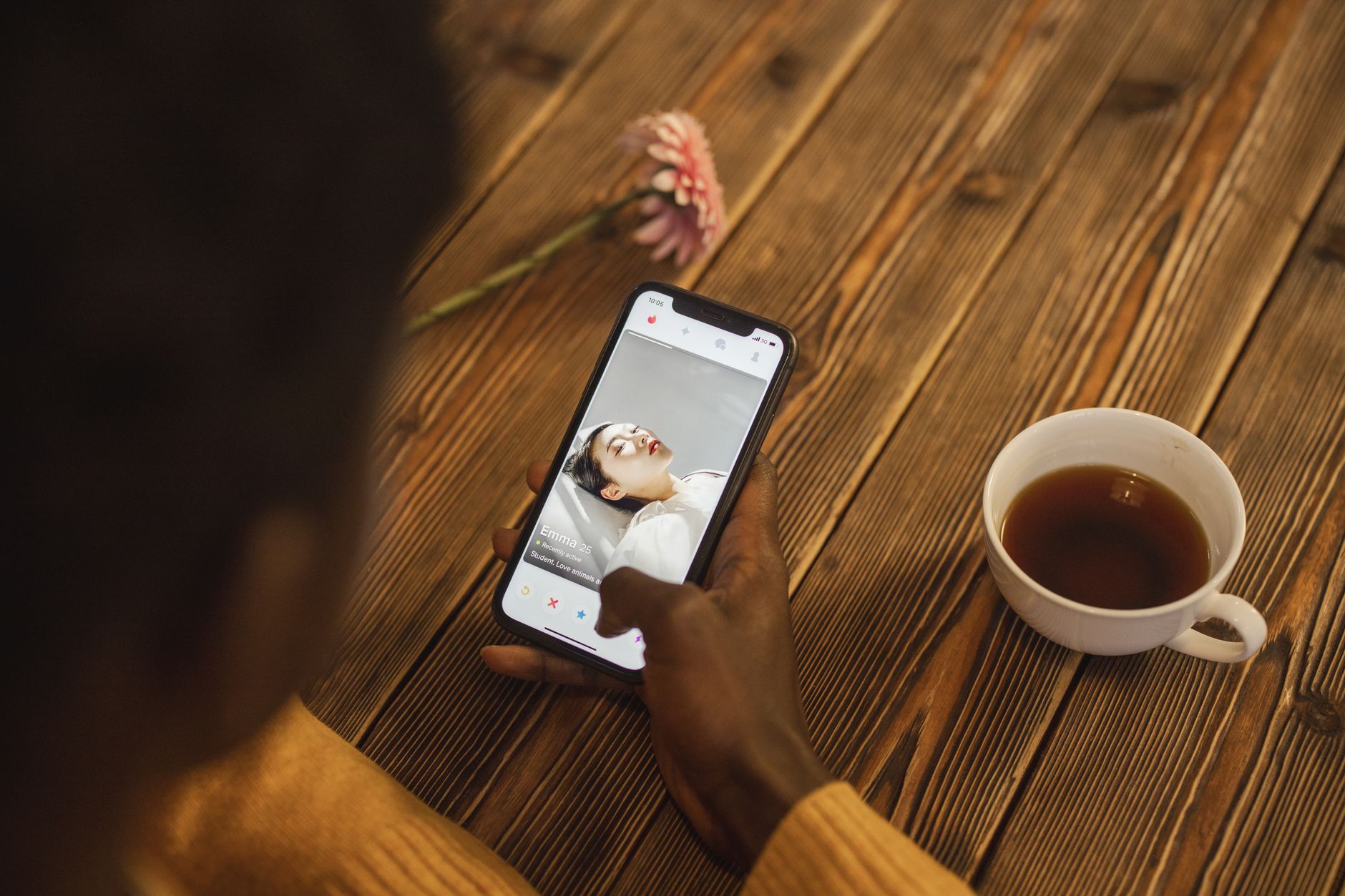
Here’s the uncomfortable business truth sitting underneath your swiping thumb: a dating app makes money from users who keep opening it, not from users who fall in love and delete it. The moment you meet someone wonderful and close your account, you stop being a customer. Understanding what dating app algorithms optimize for, which is engagement and retention rather than your relationship, explains almost every frustrating thing about modern online dating, and it hands you a smarter way to use these apps instead of being used by them.
First, the scale, because the apps shape a genuinely large share of romantic life. Pew Research Center’s 2023 study found that about three in ten U.S. adults have used a dating site or app, rising to 53 percent of people aged 18 to 29 and 37 percent of those 30 to 49. Tinder leads, used by 46 percent of everyone who’s ever tried online dating. And people are mostly there for something real: 44 percent of users said a major reason they turned to the apps was to find a long-term partner. That’s the disconnect at the heart of the whole system. The users want a relationship. The product wants a subscriber.
Engagement is the metric, and it’s not on your side
An algorithm optimized for engagement is optimized to keep you swiping, matching, and coming back, because those are the behaviors that sell subscriptions and show ads. A successful long-term match is, from the app’s revenue perspective, a churned account. This doesn’t require any cartoonish conspiracy where engineers hide your soulmate. It just requires the ordinary logic of a business tuning its product toward the numbers that pay it, and those numbers reward a steady drip of hope rather than a decisive exit. The endless queue, the dopamine ping of a new match, the sense that a slightly better option is always one more swipe away: these are engagement features, and they work on your brain exactly as designed.
Pew’s data shows the human cost of that design isn’t evenly shared. Overall, slightly more users call their experience positive than negative, 53 to 46 percent, but the gender split is stark. Fifty-seven percent of men report positive experiences, while women are split down the middle at 48 percent positive and 51 percent negative. And the harassment numbers are grim: 38 percent of online dating users have received unsolicited explicit images, 30 percent have dealt with continued unwanted contact after saying no, and 6 percent have been threatened with physical harm. An engagement-maximizing system has little incentive to fix friction that still, technically, counts as engagement.
The paywall is where the incentives get loudest
If you want to see what a product truly optimizes for, look at what it sells. Dating apps increasingly monetize the exact friction they create. The features behind the paywall, the boosts that supposedly push your profile to the front of the line, the super-likes, the ability to see who already liked you, are all sold as solutions to a scarcity the app itself manufactures. A system genuinely built to get you matched and gone would have little to upsell. A system built on engagement has every reason to make the free experience just frustrating enough that relief feels worth a monthly fee. That’s not a glitch in the model; it is the model, and noticing it is the difference between paying to play a rigged game faster and stepping back to play a different one.
The skepticism is rational
You are not being cynical when you doubt the matching magic. You’re being accurate. Pew found that only about 21 percent of adults believe the algorithms these apps use could actually determine whether two people will fall in love, and the believers skew toward people who already had good experiences, which looks a lot like survivorship talking. There’s no strong public evidence that swipe-based apps can predict long-term compatibility from a handful of photos and a one-line bio, and the apps themselves are careful never to promise it. What they can predict, and optimize for, is what will keep you engaged, which is a very different thing from what will make you happy.
How to use the apps without letting them use you
Once you accept that the incentives are misaligned, the counterplay gets clear, and it’s mostly about refusing to play the engagement game on the app’s terms. The single highest-leverage move is to get off the app and into real life fast. Trade a few messages to confirm a basic vibe, then suggest meeting for a low-stakes coffee within a week or so. Endless in-app messaging is exactly the behavior the algorithm rewards and the behavior that leads nowhere; a real, in-person read on someone in twenty minutes tells you more than a month of texting ever will. The same logic that’s rebuilding adult friendships applies here: recurring, low-stakes, in-person contact beats the endless digital version every time.
Let me put the time math on it, because it’s more lopsided than people realize. Say you match with someone and settle into the app’s default rhythm of witty back-and-forth, a few messages a day for two weeks before anyone suggests meeting. That’s a couple of weeks of thumb-typing to reach a conclusion, coffee, that a single 30-minute meeting would have delivered on day three. Run that pattern across ten matches and you’ve spent months of evenings maintaining conversations instead of dating, which is engagement for the app and attrition for you. The people who tend to actually find partners on these apps aren’t the ones who swipe most or reply wittiest. They’re the ones who treat the app as a lobby, not a living room, and walk through to the real thing quickly.
The rest is boundaries. Use the apps in deliberate short sessions rather than as a slot machine you pull during every idle minute, since the idle-minute habit is precisely what the design is farming. Be specific about what you’re looking for and let it filter people out, because an app optimizing for your engagement will happily show you a wide, ambiguous field forever. And log off without guilt when you’ve got a promising in-person prospect, because the product will always suggest there’s someone marginally better one swipe away. There isn’t, or at least the app has no way to know. What dating app algorithms optimize for is your attention, not your love life. Spend your attention accordingly, and the apps become a useful tool instead of a treadmill.
Sources: Pew Research Center, “Americans’ Views on Online Dating” and “The Experiences of U.S. Online Daters” (2023)