

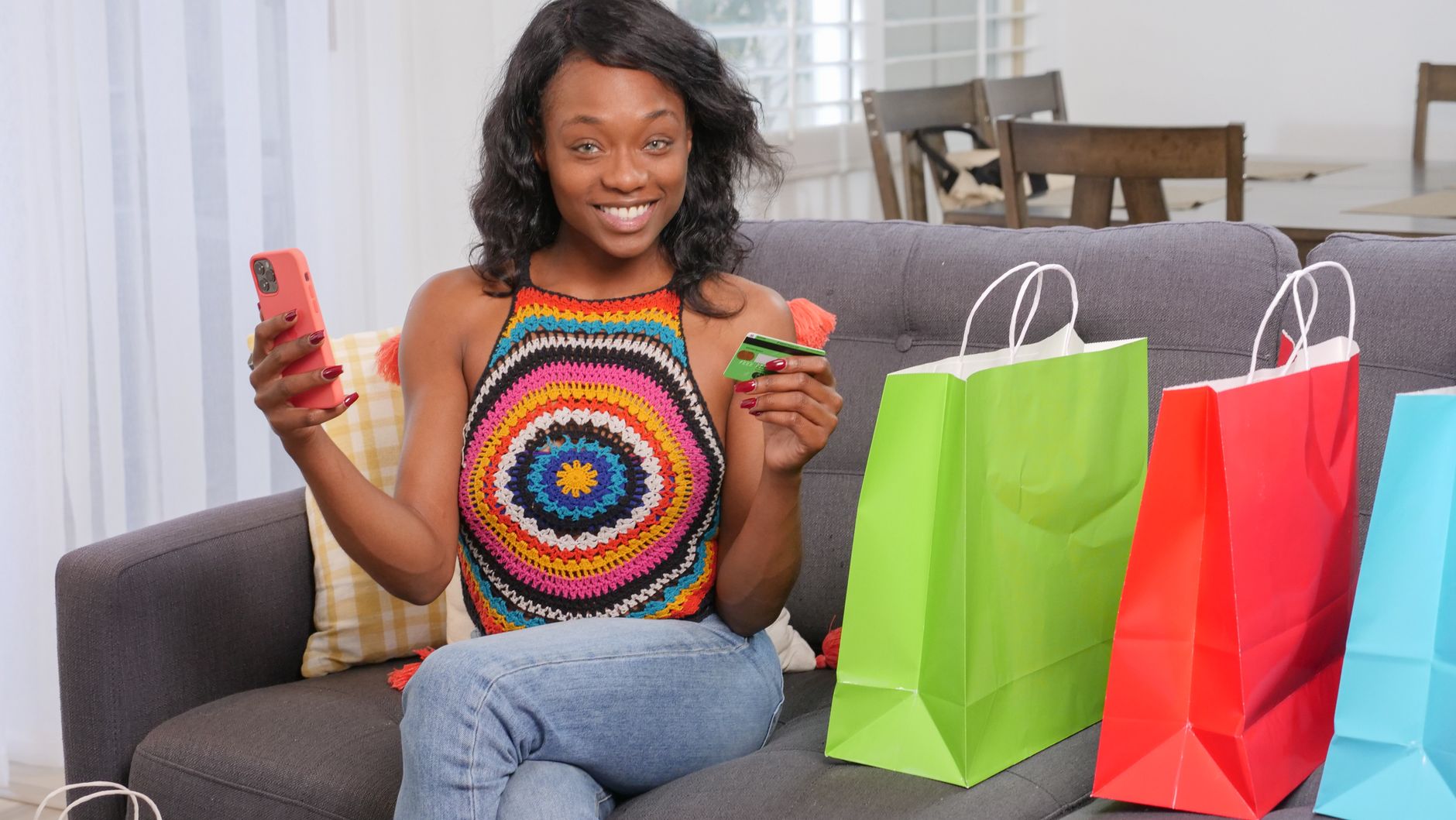
The best part of that impulse purchase already happened, and it happened before you clicked buy. The little lift you felt adding the thing to your cart, imagining it in your life, picturing the version of you who owns it, that was the hit. Dopamine spending works because the brain’s reward chemistry fires hardest during anticipation, not acquisition, which is why the package so often lands with a thud of “oh, that’s it?” Understanding that the pleasure is front-loaded is the key to how to stop, because it means the problem was never a lack of willpower at checkout. It was a chemical you can outlast.
The numbers say this is nearly universal, so if it’s you, you have a lot of company. In 2024, U.S. consumers spent an average of about $281.75 a month on impulse purchases, which adds up to more than $3,300 a year in unplanned spending. Eighty-nine percent of shoppers reported at least one impulse buy in the past month, and 54 percent had dropped $100 or more on a single unplanned item. This isn’t a fringe habit of the financially reckless. It’s the default setting of modern shopping, engineered that way on purpose, and pretending you’re above it just means you won’t build the guardrails that actually help.
The anticipation is the whole drug
Here’s the mechanism in plain terms. When you see a desirable product or a promotional offer, your brain releases dopamine, the neurotransmitter of pleasure and, more precisely, of wanting. Dopamine is the chemistry of anticipation, the pleasant tension of “I’m about to get something good,” and it can steamroll the slower, more rational part of your brain that would otherwise ask whether you need a third cream-colored sweater. University of Michigan research even found that actually buying something reduced sadness roughly 40 times more effectively than just browsing, which tells you the purchase does soothe a bad mood in the moment. The catch is that the soothing is temporary and the payment is not.
Because the reward is really about the wanting, the acquired object can’t sustain it. The sweater arrives, the dopamine has already moved on to the next tab, and you’re left with a thing you felt more excited about in the cart than you ever will in your closet. This is the loop: anticipation feels great, ownership underwhelms, so you go looking for the next anticipation. The product was never the point. The chase was.
Stress pours gasoline on it
The habit gets sharper exactly when you’re least able to resist it. Surveys find that 58 percent of consumers are more prone to impulse buying when stressed, which makes grim biological sense, because stress raises cortisol and depletes the self-control resources you’d normally use to talk yourself down. That’s why the worst spending sprees tend to follow the worst days, and why “retail therapy” is a real phenomenon and a real trap at the same time. The relief is genuine and chemical; it just comes bundled with a bill. More than 40 percent of shoppers admit their impulse purchases have led to financial stress, eroded their savings, or blown a hole in the budget, which means the thing people reach for to feel better routinely becomes a new source of feeling worse.
There’s a credit-card wrinkle that deepens the hole. Impulse purchases are associated with roughly 40 percent higher credit-card balances compared with planned spending, so the unplanned buy is not only more expensive in the moment but more likely to sit there accruing interest, quietly charging you rent on a decision your dopamine made in four seconds.
The delay that beats willpower
Since the enemy is anticipation and anticipation fades, the single most effective tool is a deliberate pause, not more discipline at the register. Institute a waiting period for any non-essential purchase over some threshold you set, say $50: put the item in the cart, then walk away for 24 to 48 hours. What you’ll discover is that the wanting, which felt urgent and enormous, deflates on its own once the dopamine subsides. A day later, most cart items look like what they are, a passing impulse rather than a genuine need, and you close the tab without a shred of the willpower struggle you were bracing for. You didn’t resist the craving. You simply let it expire.
Let me put the math on what that pause is worth, because it reframes the stakes. If the average impulse spender is running about $281 a month, and a waiting-period habit kills even two-thirds of it, that’s roughly $185 a month, about $2,200 a year, that stops evaporating. Redirect that into a boring index fund earning a 7 percent average return, and after ten years of the same habit you’re looking at somewhere north of $30,000, built entirely out of purchases you didn’t miss because you never truly wanted them. The pause isn’t deprivation. It’s converting a chemical reflex into a down payment on something you’d actually choose.
Make the friction work for you
Beyond the waiting period, the move is to re-engineer your environment so the reflex has less to grab. Most impulse damage still happens in physical stores, about 80 percent of it, with online flash-sales accounting for the rest, so the tactics differ by battlefield. Online, delete the saved payment info that makes one-click buying frictionless, unsubscribe from the promotional emails engineered to manufacture the dopamine spike on a schedule, and unfollow the accounts that exist to make you want things. Each of those adds a few seconds of friction, and a few seconds is often all the rational brain needs to catch up. In stores, the oldest trick still works: leave the credit card at home and carry a set amount of cash when you’re browsing somewhere tempting, because handing over physical money reintroduces the pain the frictionless tap was designed to erase.
The deeper fix is to give the craving a name when it shows up. Ask what you’re actually feeling right before you reach to buy, because dopamine spending is frequently mood regulation in disguise, an attempt to patch boredom, stress, or sadness with a purchase. Naming the feeling, then choosing a response that doesn’t cost $281 a month, a walk, a call to a friend, literally anything that also releases the feel-good chemistry, addresses the real itch instead of scratching a decoy. Dopamine spending feels like wanting things. Underneath, it’s usually wanting to feel different, and once you know that, the cart loses most of its power.
Sources: Cleveland Clinic (retail therapy and the brain); Invesp and industry impulse-buying surveys (2024–2025); University of Michigan research on shopping and mood