

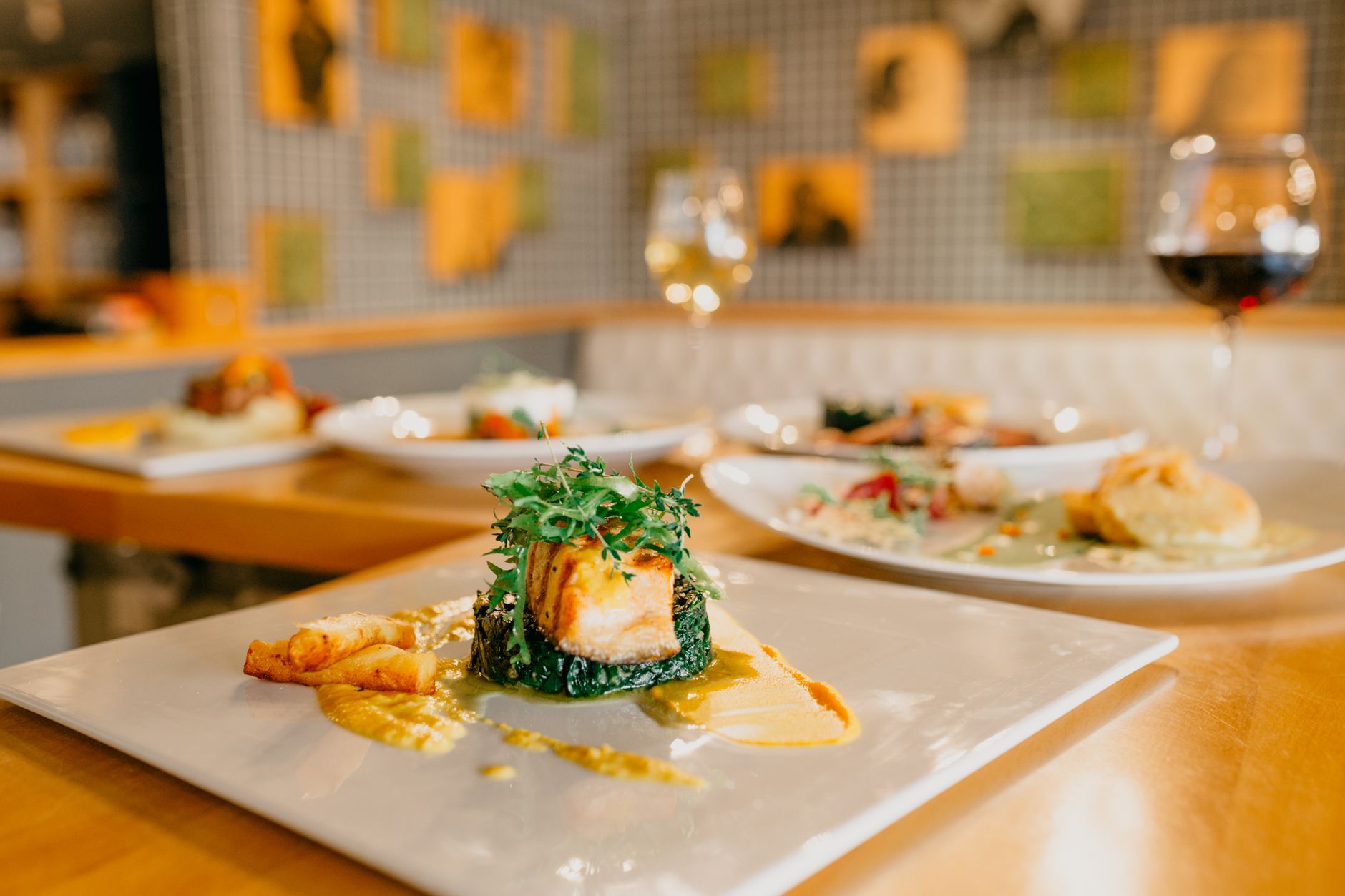
The plate that arrives at your table today would look absurd to someone eating out in 1985. Not fancier, just bigger, sometimes comically so, a pasta bowl built for two people wearing the costume of a single entrée. Restaurant portion sizes didn’t balloon because diners suddenly got hungrier. They grew because oversizing is the cheapest, most effective lever a restaurant has to make you feel like you got your money’s worth, and your body’s fullness signals are surprisingly easy to override. Once you see the mechanism, you can eat out happily without falling for it.
The scale of the change is documented, not nostalgic exaggeration. Portion sizes at U.S. restaurants have climbed steadily for decades, with the sharpest increases beginning in the 1980s and continuing since. Some fast-food items are now estimated to be two to five times larger than their equivalents from two decades ago. Meanwhile, the share of our calories eaten away from home has nearly doubled, rising from about 18 percent in 1977 to 33 percent by 2010, according to CDC data. We’re eating out more, and what we’re served when we do has quietly inflated the whole time.
The cheap ingredient is the plate itself
Here’s the economics that explains the giant bowl. For a restaurant, the raw food cost is often a small slice of your check; the expensive parts are rent, labor, and everything else. Starches and oils, the pasta, the fries, the bread, are among the cheapest things in the kitchen. So piling on more of them is a nearly free way to make a dish look generous and justify a higher price, because a heaping plate reads as value in a way a modest, well-balanced one doesn’t. You’re not paying for more nutrition. You’re paying for the visual of abundance, and the cheapest way to manufacture that visual is a mountain of the least costly ingredients on hand.
This is why “value” menus and upsizing prompts lean so hard on volume. The marginal cost of the extra scoop is pennies; the perceived value is enormous. The portion isn’t calibrated to your appetite. It’s calibrated to your sense of getting a deal, which is a different thing entirely.
Your fullness meter doesn’t do percentages
The reason this works on virtually everyone is a quirk of human biology that portion research has nailed down repeatedly. When people are served larger portions, they eat more, full stop, and controlled studies show intake can rise by as much as 30 percent with no corresponding increase in reported fullness. Read that again: you can eat nearly a third more food and feel exactly as satisfied as you would have on the smaller plate. Your satiety signals respond to the presence of food in front of you far more than to some internal calorie tally, and they simply don’t register the extra 30 percent as extra. The big plate doesn’t make you 30 percent fuller. It just makes you eat 30 percent more and call it normal.
Compounding this, foods eaten away from home tend to be higher in calories, sodium, and fat than what you’d make yourself, and larger portions lead people to badly underestimate how much they’ve actually consumed. The plate is engineered, whether the restaurant intends it or not, to slip past the exact instincts you’d use to stop.
The worked math on the half-you-don’t-need
Let me put numbers on the practical fix, because it doubles as a budgeting trick. Say your favorite restaurant pasta is genuinely enough food for two normal meals, which, given modern portions, it very often is. That single $22 entrée, boxed in half the moment it arrives, becomes two meals at $11 each, and the leftovers replace a lunch you’d otherwise spend another $14 on. You’ve turned one restaurant visit into roughly $36 of eating for $22, and you’ve sidestepped the reflexive 30 percent overeating that the oversized plate was quietly engineering. Eating half isn’t deprivation here; it’s recognizing that the “single serving” was two servings in a trench coat all along.
That reframe, that the standard portion is frequently a double, is the most useful tool you can bring to a restaurant. It turns the inflated plate from something acting on you into something you’re deliberately managing.
The distortion followed you home
The unsettling part is that the restaurant plate reset your sense of “normal,” and that recalibration didn’t stay at the restaurant. Decades of oversized servings have quietly moved the baseline for what a portion looks like everywhere, including your own kitchen. Dinnerware is part of the story: the standard dinner plate has grown noticeably larger over the same period that portions inflated, and a fixed amount of food looks skimpy on a big plate and generous on a smaller one. Your eyes, not your stomach, are doing a lot of the deciding, and they’ve been trained by years of trenchers masquerading as entrées to expect a mountain.
This is why “just eat less” is harder than it sounds and why environmental tweaks work better than willpower. Serving dinner on a salad plate, plating in the kitchen instead of bringing serving dishes to the table, and buying single-serve versions of snacks you tend to overeat all exploit the same visual quirk the restaurant exploits, just pointed in your favor. You’re not fighting your appetite. You’re resetting the picture your appetite is reacting to.
How to eat out without the portion trap
None of this is an argument against enjoying restaurants, which are one of life’s genuine pleasures and not a moral test. It’s an argument for going in with your eyes open. Ask for a box when the food arrives, not at the end, and put half away before you start, since it’s far easier to not eat food you can’t see. Consider ordering an appetizer as your main, because starter portions are often closer to what a reasonable entrée used to be. Split a dish with someone and add a side salad. Order the small if a small exists, and ignore the upsize prompt that offers you 40 percent more food for 80 cents, which is a deal for exactly one party, and it isn’t you.
Restaurant portion sizes got weird for reasons that have nothing to do with your appetite and everything to do with cheap starch and clever value signaling. You can’t shrink the plate the kitchen sends out, but you can decide, before the first bite, how much of it is actually your meal and how much is tomorrow’s lunch. That one decision, made up front, quietly hands you back both the calories and the cash the big plate was counting on you to spend.
Sources: CDC, “Away-from-Home Foods” and portion-trend data; peer-reviewed research on portion size and energy intake (PMC, “Portion Size: What We Know and What We Need to Know”)